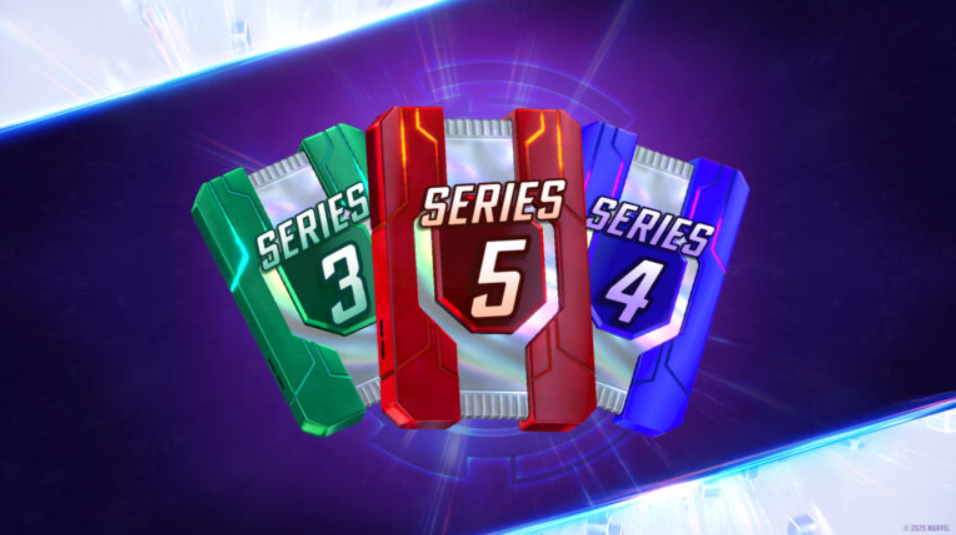

Marvel Snap Snap Packs vs. Spotlight Keys
Marvel Snap just flipped its card unlock system, and players are debating hard. Some love it while some hate it, and some are confused. So let’s break down Snap Packs vs. Spotlight Keys; no spreadsheets, no headache. We’ll compare how both systems work, who benefits most, and how you should plan your card hunting now.
What Were Spotlight Keys?
Under the old system, Spotlight Keys let you open a special weekly cache. Each week featured a small group of cards, usually one new card plus a few older Series 4 or 5 cards. You spent keys and rolled the spotlight pool. Why people liked it:
- You could target a specific week.
- Lower collection players often got multiple new cards.
- If you saved keys, you could hit big value weeks.
- A small pool means a higher chance of useful pulls.
Why players didn’t like it:
- You had to wait for the right week.
- Some cards never returned for months.
- Bad luck meant wasted keys.
- No flexibility outside spotlight week.
In the Marvel Snap Snap Packs vs. Spotlight Keys debate, Spotlight Keys win for short-term targeting, but only when the schedule cooperates.
What Are Snap Packs?
Snap Packs replace Spotlight Keys with a broader pack-based system. Instead of waiting for one special week, you now open packs from larger pools and earn tokens faster. The shop also rotates cards more often. This gives players more control over purchases. Why Snap Packs feel strong:
- Faster token income.
- More shop rotations.
- Easier card targeting.
- Less waiting around.
- Better long-term control.
Instead of waiting 40 days for a card to appear, rotations now happen much faster, depending on the series. That’s a big deal. In Marvel Snap Snap Packs vs. Spotlight Keys, Snap Packs win on flexibility and speed.
Who Benefits Most From Each System?
Let’s be honest, both systems help different players.
Lower Collection Level Players
Spotlight Keys often felt amazing here. If you missed many cards, spotlight weeks gave huge value. One week could boost your deck power fast. But Snap Packs now give:
- Faster tokens.
- Faster shop rotations.
- Direct purchases.
So instead of waiting for the “perfect week,” you build toward cards steadily.
High Collection Players
Snap Packs are clearly better here. Large collections reduce spotlight value because duplicates hurt more. Snap Packs plus token targeting fixes that problem. This is why many veterans prefer the new system in the Marvel Snap Snap Packs vs. Spotlight Keys comparison.
The Big Mindset Shift Players Need
Here’s the uncomfortable truth: you are not meant to own every card. That was never realistic without heavy spending. The new system pushes a smarter goal: Be deck-complete, not collection-complete. Target decks, target multi-use cards, and build playable archetypes first.
When people argue about Marvel Snap Snap Packs vs. Spotlight Keys, they often assume a full collection should be the goal. That assumption breaks the math.
Smart Strategy With Snap Packs
Use this simple plan:
- Pick a deck you enjoy: Don’t chase every meta trend.
- Target cards used in multiple decks: Flexible cards give more value.
- Avoid Series 5-heavy decks early: Pick builds with 1-2 high-tier cards max.
- Use shop targeting: Faster rotations mean faster progress.
- Replace missing cards: Most decks work with substitutes.
This approach works better under Snap Packs than it ever did with Spotlight Keys.
So Which System Is Better?
It depends on your situation, but Snap Packs offer more control.
- Spotlight Keys equals better weekly spikes.
- Snap Packs equals better steady progress.
The strongest takeaway from Marvel Snap Snap Packs vs. Spotlight Keys is this: Control beats waiting. You now choose your path instead of praying for the right spotlight week.
Both systems had value, and both had flaws. But Snap Packs give players more agency, faster targeting, and less schedule luck. That’s healthier for long-term play. And remember, you don’t need every card to climb, compete, and have fun.
Build decks, play smart and pend tokens wisely. That wins games, not the collection size.