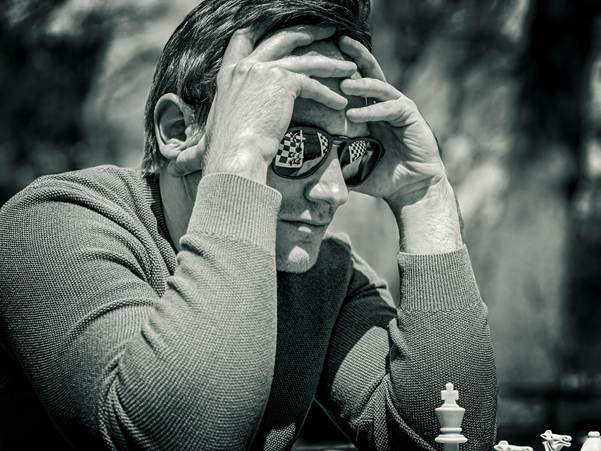

There are few things more frustrating in chess than this:
You’ve played a good game. You’re in control. Maybe even winning.
And then—out of nowhere—you hang a piece.
Game over.
It feels careless. It feels avoidable. And it makes you question your entire level.
But here’s the key point: blunders are not about intelligence or understanding. They’re about habits.
And that’s actually good news—because habits can be fixed.
Why Blunders Really Happen
Most players assume blunders happen because:
- They didn’t see something
- Their opponent was tricky
- The position was complicated
Sometimes that’s true.
But most of the time, blunders happen because:
- You didn’t check your move properly
- You were playing too fast
- You were distracted or tilted
- You assumed something was safe without verifying
In other words—you skipped steps.
The Most Important Habit: The Blunder Check

Before every move, ask yourself:
“What did my opponent’s last move change?”
This forces you to notice:
- New threats
- Open lines
- Loose pieces
- Tactical ideas
It’s simple, but incredibly powerful.
The Two-Second Rule
Here’s a practical trick:
After choosing your move, pause for two seconds.
In those two seconds, quickly check:
- Are any of my pieces hanging?
- Can my opponent check me?
- Can they capture something important?
- Is there a simple tactic I missed?
This tiny pause will save you countless games.
Autopilot Is Your Enemy
One of the biggest causes of blunders is autopilot.
You play moves because:
- They “look natural”
- They fit your plan
- You’ve seen similar positions before
But you don’t actually check if the move works right now.
Chess punishes assumptions.
Every move must be verified.
Loose Pieces Are Targets
There’s a famous rule:
“Loose pieces drop off.”
If a piece isn’t defended, it’s vulnerable.
Make it a habit to scan:
- Your undefended pieces
- Your opponent’s undefended pieces
This alone will:
- Prevent blunders
- Create opportunities
Time Pressure Makes Everything Worse
Blunders multiply when you’re low on time.
Why?
- You stop checking moves
- You rely on instinct
- You rush decisions
The solution isn’t just to play faster—it’s to manage your time better earlier in the game.
Emotional Blunders

Tilt is real.
After a mistake or loss, you might:
- Play aggressively to “win it back”
- Rush moves
- Stop thinking clearly
This leads to even more mistakes.
Recognizing tilt is a skill. Stopping when you’re tilted is even more important.
Build a Blunder-Proof Routine
Here’s a simple checklist:
- What changed in the position?
- What are the threats?
- What are my candidate moves?
- Quick blunder check before playing
It doesn’t take long—but it makes a huge difference.
Final Thought
Blunders don’t mean you’re bad at chess.
They mean your process needs tightening.
Fix your habits, slow down slightly, and start respecting every move—and you’ll see immediate improvement.