Meta Description: Explore Pins, Skewers, and Forks in Chess with simple examples and fun explanations. Improve your tactics and start winning more games today!

Chess is not only about moving pieces around the board. It is also about tricks, traps, and smart attacks! One of the coolest parts of the game is learning tactical moves that can win pieces quickly. That’s where Pins, Skewers, and Forks in Chess become super important.
What is a Fork in Chess?

A fork happens when one attacking piece manages to pin down two or more enemy pieces at the same time. And that puts your opponent in a pickle, because they usually can only save one of them.
Knights have a bit of a reputation for creating forks. This is largely due to their rather unusual “L-shaped” movement pattern.
Why Forks Are Powerful
Forks work best when:
- You attack valuable pieces.
- Your attacking piece is cheap.
- Your opponent cannot defend both targets.
Even a pawn can come up with a fork from time to time.
What’s a Pin in Chess?

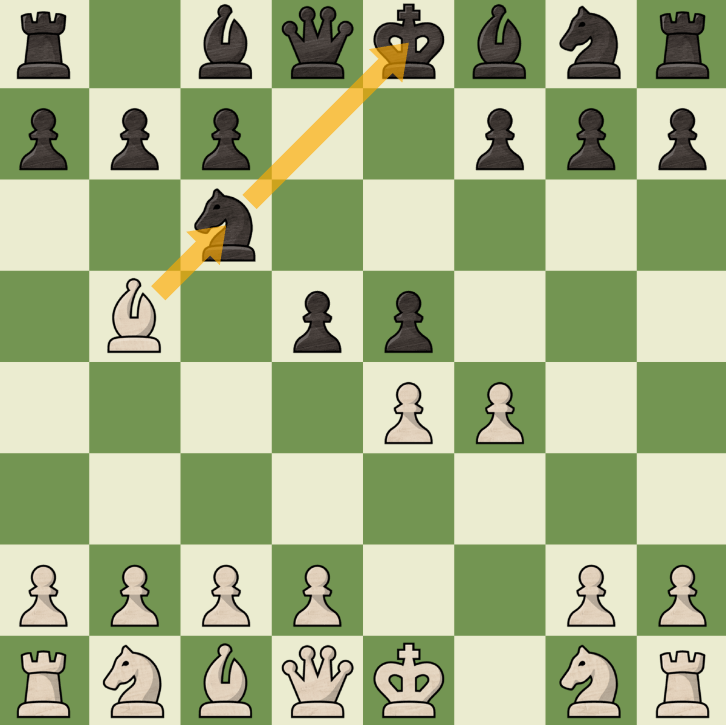
A pin occurs when one of your pieces is stuck in place because if it were to move, a more valuable piece behind it would come under attack. Unfortunately, the knight can’t move, because that would put the king right in check. That knight is “pinned”.
Absolute Pin vs Relative Pin
There are two kinds of pins:
- Absolute Pin: The pinned piece cannot move at all because the king is behind it.
- Relative Pin: The pinned piece could move, but doing so would lose something valuable, like the queen.
Pins can make your opponent’s pieces useless. A pinned knight may look active, but it is secretly trapped. That’s why strong players like using Pins and Forks in Chess to control the board.
What Is a Skewer in Chess?

A Skewer is similar to a pin, but backwards. In a Skewer:
- A valuable piece is attacked first.
- When it moves away, the piece behind it gets captured.
For example:
- Your Rook attacks the enemy King and Queen in the same line.
- The King must move.
- Then you capture the Queen.
Simple but deadly!
Why Skewers Are Dangerous
Skewers often happen with:
- Rooks
- Bishops
- Queens
These long-range pieces can attack across rows, files, and diagonals. Many beginners forget about Skewers because they focus only on direct attacks. But experienced players constantly look for Pins, Skewers, and Forks in Chess during every move.
How to Spot Tactical Tricks
Want to get better at tactics? Here are some easy tips:
- Look for loose pieces
- Check the King’s position: Kings often create chances for Pins and Skewers.
- Use Knights creatively: Knights are Fork machines! Always see if your Knight can attack two pieces together.
- Think before you move. Before making any move, ask:
- Can I fork something?
- Can I pin a piece?
- Is there a skewer available?
Learning Pins, Skewers, and Forks in Chess improves your chess vision a lot.
Common Beginner Mistakes
Many new players:
- Ignore pinned pieces.
- Leave Queens vulnerable to Forks.
- Forget about diagonal attacks.
- Move pieces too quickly.
Take your time and scan the board carefully. Remember:
- Forks attack multiple pieces.
- Pins trap pieces in place.
- Skewers force valuable pieces to move away.
Once you practice these ideas, you will begin spotting tricks everywhere on the board.