
If you’re about to start playing Chess as a complete beginner, don’t worry; you don’t need to have all the fancy tricks up your sleeve right off the bat. Just start with the basics, get a few games under your belt, and you’ll be improving with every match.
Setting up the Chessboard
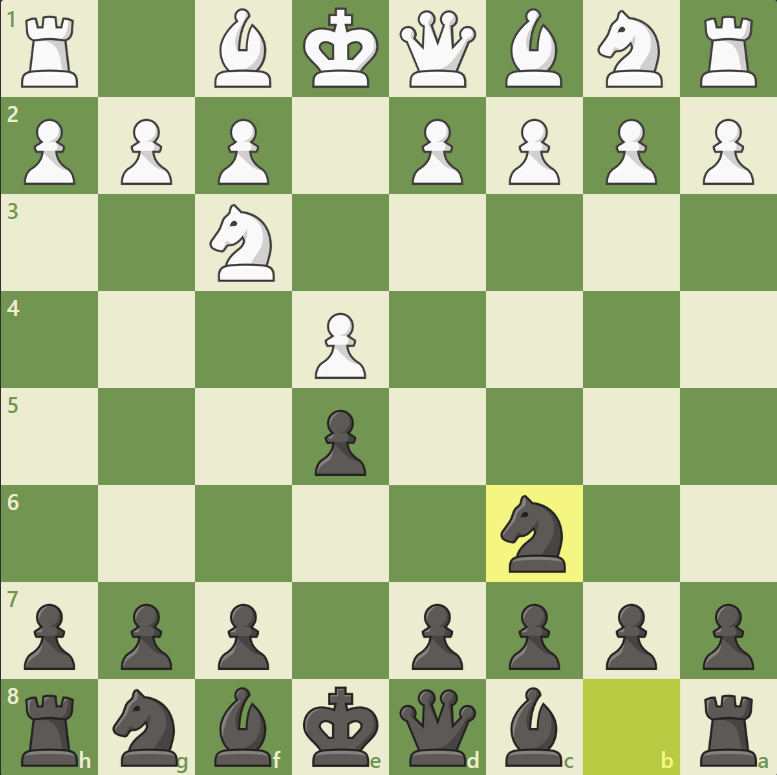
Before we even start playing, make sure you’ve got the chessboard set up so that the bottom right corner is always a white square. Each player begins with 16 pieces:
- 1 King
- 1 Queen
- 2 Rooks
- 2 Bishops
- 2 Knights
- 8 Pawns
The back row is sorted in the order, from left to right: Rook, Knight, Bishop, Queen, King, Bishop, Knight, Rook. To keep things simple, just remember: the Queen has to end up on the colour she started on.
White’s Queen starts on a white square, so she’s always safe; Black’s on a black square, so hers is always alright too. White usually gets the first go, and players take turns making just one move at a time.
Learning How Every Piece Moves
Each chess piece has its own unique way of moving around.
King
The King moves one square in just about any direction. He’s not the strongest attacker, but he is vitally important because if you lose him, you lose the game.
Queen
The Queen is the most powerful piece. She can move as far as she likes in any direction, either up, down, side to side or diagonally, making her handy for both pushing forward and holding back.
Rook
Rooks move any distance in straight lines. They become especially powerful later on in the game when the board starts to open up a bit.
Bishop
Bishops move diagonally across the board. What’s interesting is that since each Bishop starts on a different square, one will always stick to the light squares, the other to the dark ones.
Knight
The Knight moves in an awkward-looking “L”, two squares in one direction and then one in a different direction. Unlike any other piece, they can jump right over other pieces, which makes them great for catching your opponent out.
Pawns
Pawns can move one square forward anytime, but when they take a piece, they have to grab it diagonally one square. On their first go, they can actually move two squares. If a Pawn finally makes it to the other end of the board, it gets promoted into a different piece, usually a Queen.
Understanding the Goal of Chess
A King is in check when an attacker is bearing down on him. You’ve got to immediately sort the problem out by moving him out of the way, or putting something in front to block the attack, or snagging the piece that’s trying to get him. A checkmate is what happens when the King is in check, and there’s no way out. That’s game over.
Games can also finish in a draw, where neither player wins. This happens when neither side has got enough to make a checkmate, or if there aren’t any moves to make without putting your King in check.
Every match is a chance to learn something new, and every single move is another step closer to becoming a better chess player. So get the board set up, shake hands with your opponent, and let the fun begin!