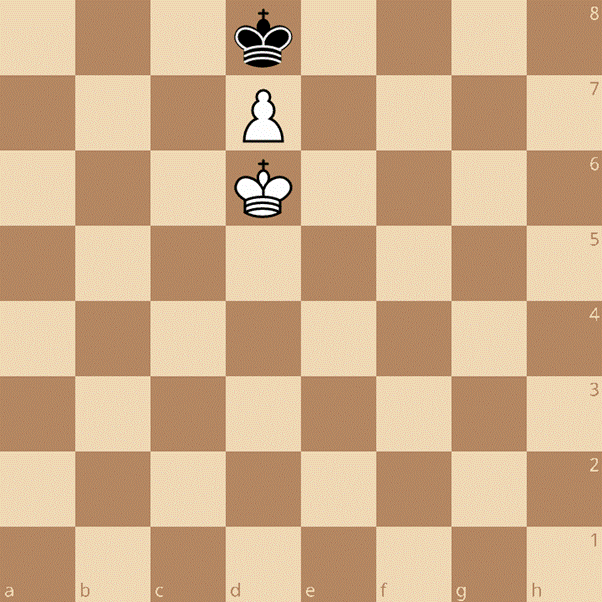
The endgame is the phase of chess where every move matters, and mistakes are punished ruthlessly. Unlike the opening or middlegame, where experimentation and flashy tactics can sometimes pay off, the endgame is about precision, technique, and strategy. I remember playing in the UK nationals at 10 and realizing that even if my opening went perfectly, a few careless moves in the endgame could ruin everything.
Endgames are often overlooked by beginners, but mastering them is essential. Whether you’re playing a board game with friends or competing online on Chess.com, understanding key principles can transform a tight position into a win.
1. King Activity is Crucial
In the endgame, the king is no longer just a piece to protect; it’s an active force. Bring your king toward the center to support pawns and control key squares.
- In pawn endings, a king can escort a pawn to promotion or block your opponent’s pawn.
- Active kings often decide drawn positions in your favor.
I learned this early on experimenting with unusual positions — sometimes my king would boldly march up the board while other pieces waited, creating threats my opponents didn’t anticipate. Fischer’s games often demonstrate this principle brilliantly; his king activity in endgames was unmatched.
2. Pawn Structure Matters More Than Ever
Pawns are slow, but in the endgame, they can be decisive. Key points:
- Passed pawns (no opposing pawns blocking their path) are gold. Push them carefully.
- Isolated pawns can become weaknesses to exploit.
- Connected pawns support each other and are harder to stop.
Even minor miscalculations in pawn play can turn a winning position into a draw. In my experimental games, I sometimes pushed pawns aggressively to create unorthodox passed pawns — sometimes risky, but often effective.
3. Rook Endgames are Common

Rooks dominate endgames due to their long-range capabilities. Key concepts:
- Activate your rook: Place it behind pawns — either yours or your opponent’s.
- Cut off the opponent’s king: Restrict their king’s mobility while pushing pawns.
- Avoid passive rooks: Don’t hide behind your pawns; active rooks win games.
Many beginners underestimate rook activity. Even on online streams, you see plenty of mistakes here, and this is where understanding basic principles gives you a huge edge.
4. Minor Piece Endgames
Bishops and knights behave differently in the endgame:
- Bishops excel in open positions and can dominate diagonals from afar. Personally, I’ve always valued bishops slightly more than knights because of their long-range influence.
- Knights shine in closed positions where pawns block lines.
- Bishop vs Knight: The open board usually favors the bishop; closed positions favor the knight.
Understanding these nuances helps you plan exchanges strategically — something I learned through experimentation, trying to create unusual positions that my opponents struggled with.
5. Basic Checkmates to Know
Every player should master a few essential checkmates:
- King and Queen vs King — straightforward, but you must avoid stalemate.
- King and Rook vs King — requires careful positioning to gradually restrict the opposing king.
- Two Bishops vs King — rare but useful to know.
Even in online blitz games, knowing these patterns allows you to confidently convert advantages. I often practiced them in casual games, which paid off in tournaments and online matches alike.
6. Opposition and Key Squares
“Opposition” is a fundamental endgame concept. Controlling key squares prevents the opponent’s king from advancing and supports your pawns.
- Direct opposition: Kings face each other with one square in between.
- Distant opposition: A more strategic approach in pawn races.
Mastering opposition can make the difference between winning and drawing, particularly in pawn endgames. Fischer was a master of using opposition to squeeze victories from seemingly equal positions.
7. Transitioning from Middlegame to Endgame
One of the most important skills is planning for the endgame during the middlegame:
- Exchange pieces when it favors your pawn structure.
- Keep your most active pieces alive.
- Think two or three moves ahead about pawn promotion paths.
Even online, top streamers like Hikaru emphasize planning early for endgames — it’s a hallmark of strong play.
8. Practice Makes Perfect
Endgames can feel dry at first, but practice is everything. Online platforms like Chess.com provide puzzles and drills to reinforce key concepts. Play slowly at first, focus on technique, and gradually introduce faster time controls.
I’ve always loved using the endgame to experiment — creating slightly weird pawn structures or testing unconventional rook maneuvers. Sometimes it fails spectacularly, but that’s how you learn.
Final Thoughts
The endgame is where chess becomes precise and unforgiving. Strong opening and middlegame play only matter if you can convert your advantage here. Focus on king activity, pawn structure, piece coordination, and basic checkmates.
Whether you’re studying Fischer’s classics, playing casually with friends, or competing online in Blitz and Bullet, understanding these principles will dramatically improve your results. Mastering endgames not only boosts your win rate but also sharpens your thinking and enhances creativity — the perfect playground for experimental players like me.