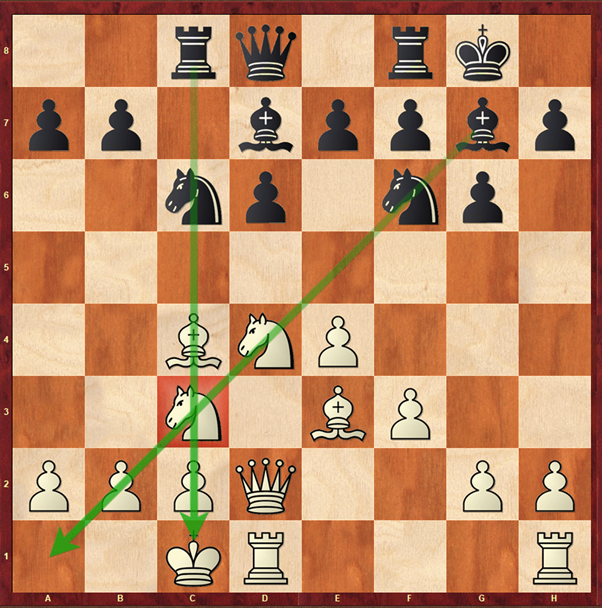
The middlegame is where chess truly comes alive. While openings set the stage, and endgames finish the story, the middlegame is where creativity, tactics, and strategy collide. I’ve always loved this phase — it’s where my experimental style shone, where weird sacrifices sometimes worked, and where Fischer’s games still inspire me today.
Whether you’re playing over the board or online on Chess.com, understanding middlegame principles is essential to turning a decent opening into a winning position.
1. Assess the Position
Before making any middlegame moves, take a moment to analyze the board. Ask yourself:
- Which side has more space?
- Are the kings safe?
- Which pieces are active, and which are trapped or passive?
- Are there weaknesses, like isolated pawns or open files?
When I was 10 at the UK nationals, I sometimes overlooked piece activity and paid the price. Today, I always try to evaluate the position first — even in blitz online games — before diving into an attack.
2. Develop a Plan
The middlegame is all about planning. You shouldn’t just move pieces randomly. A plan might involve:
- Launching an attack on the king.
- Exploiting weak pawns or squares in the opponent’s camp.
- Preparing piece exchanges to improve your structure.
For example, in my experimental youth style, I loved creating weird, unbalanced positions, often sacrificing a pawn or piece to open lines for an unexpected attack. Fischer also excelled at creative planning — every move had a purpose, even if it looked unconventional.
3. Control Key Squares
Certain squares can dominate the board:
- Outposts: Secure squares for knights where they can’t easily be attacked by pawns.
- Open files: Rooks and queens can dominate open vertical lines.
- Diagonals: Bishops thrive on long, unobstructed diagonals.
Controlling these squares often allows you to dictate the pace of the game and limit your opponent’s options. Personally, I loved pushing pawns to create squares for my bishops, slightly favoring them over knights for their long-range impact.
4. Coordinate Your Pieces
Middlegame success relies on piece harmony. Pieces work best when supporting each other:
- Knights and bishops control complementary squares.
- Rooks work together on open files.
- Queens coordinate with minor pieces for attacks.
Even when I experimented with chaotic positions, I made sure my pieces were connected. This principle is just as important in online blitz or streaming games today — a disconnected piece often loses quickly to skilled opponents.
5. Attack When Ready
Middlegame attacks succeed when:
- You’ve developed your pieces.
- The king is vulnerable.
- You have a clear tactical plan.
Random attacks rarely work. In my experience, patience pays off. For example, when playing a Ruy Lopez, I’d often build tension with pawns and minor pieces before striking with a well-timed bishop or rook. Even in modern online play, streamers like Hikaru often emphasize timing over flashy sacrifices.
6. Watch for Tactics
Tactics dominate the middlegame. Look for:
- Forks: Knights or queens attacking two pieces at once.
- Pins and skewers: Restricting a piece’s movement.
- Discovered attacks: Moving a piece to reveal a hidden threat.
Even as a beginner, spotting these patterns dramatically improves your play. I loved creating unusual tactical motifs, especially in experimental games where opponents weren’t expecting my “weird” moves.
7. Manage Your Time and Mindset
In longer games, don’t rush. Think through potential responses and anticipate threats. Online, in blitz or bullet, this becomes a balancing act — speed versus accuracy. Watching modern streamers like xQc and Ludwig, it’s clear that even new players rely on instinct developed through hours of practice and experimentation.
8. Transition to Endgame
Finally, remember that middlegame strategy sets up the endgame. Exchanging pieces, pushing pawns, or centralizing the king can create winning chances later. Fischer excelled at this transition — his middlegame decisions were always endgame-minded. Likewise, in online chess today, strong players plan two or three phases ahead, not just the current move.
Final Thoughts
The middlegame is the playground for creativity, strategy, and experimentation. Assess the position, plan carefully, control key squares, coordinate your pieces, and watch for tactical opportunities. Whether in a physical tournament or a streaming blitz game, these principles guide you through the chaos and maximize your chances of success.
For me, this phase has always been about exploration — testing unorthodox ideas, leveraging the Ruy Lopez or Sicilian, and seeing how far a well-timed sacrifice can take me. Chess isn’t just about moves; it’s about ideas, creativity, and the thrill of outthinking your opponent.