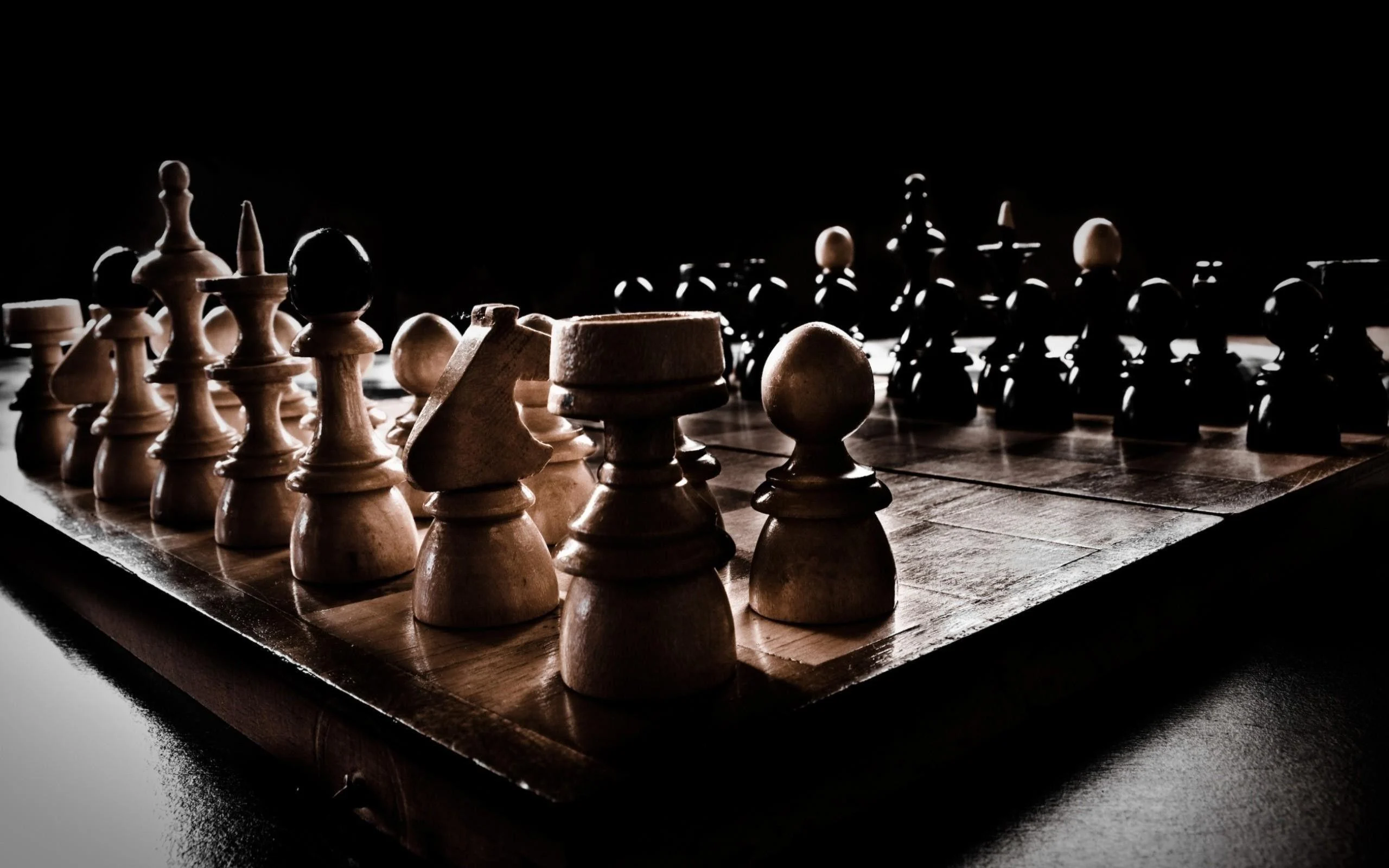
Chess has a rich history full of legendary games, brilliant ideas, and dramatic clashes that have shaped how we play today. Studying these famous matches isn’t just a hobby — it’s one of the most effective ways to improve. Classic games teach tactical motifs, positional strategies, psychological approaches, and even how creativity can triumph over convention.
I’ve always loved reviewing historic games, from Bobby Fischer’s genius to modern grandmasters online. Even now, seeing these clashes gives perspective on strategy, preparation, and the endless depth of chess.
- Bobby Fischer vs Boris Spassky, 1972 – The Match That Changed Chess

The 1972 World Championship in Reykjavik, Iceland, is perhaps the most famous match in chess history. Fischer’s victory over Spassky ended decades of Soviet dominance and brought chess into the global spotlight.
Key Lessons:
- Preparation Matters – Fischer revolutionized opening preparation. He played the Ruy Lopez with incredible depth, demonstrating how a well-studied opening can dominate the early game.
- Psychological Edge – Fischer used nerves and confidence to gain a mental advantage. Chess isn’t just about moves; it’s about controlling your own mindset and pressuring opponents.
- Flexibility – Fischer wasn’t rigid; he adapted mid-game when Spassky surprised him. This is a crucial lesson: always be ready to change plans based on the position.
Even as an experimental player, I’ve always admired Fischer’s balance between preparation and creativity. It’s a reminder that solid fundamentals don’t stifle imagination — they empower it.
- Garry Kasparov vs Anatoly Karpov, 1985 – Strategic Mastery

The battles between Kasparov and Karpov are classics of positional strategy and tactical brilliance. Their 1985 World Championship saw Kasparov take the title, showcasing a combination of relentless calculation and strategic innovation.
Key Lessons:
- Control the Center and Open Lines – Kasparov excelled at dominating central squares, opening files for his rooks and diagonals for his bishops.
- Dynamic Imbalances – He often created positions where the material balance was equal, but piece activity favored him. This shows how tactical and positional thinking often overlap.
- Patience – Many games lasted over 50 moves, emphasizing slow, methodical maneuvering rather than flashy sacrifices.
Kasparov’s games are a goldmine for learning how to coordinate pieces and build pressure gradually — lessons that apply in blitz, rapid, or classical games.
- The Immortal Game: Anderssen vs Kieseritzky, 1851

One of the most famous historic games is the Immortal Game, played between Adolf Anderssen and Lionel Kieseritzky. Anderssen sacrificed both rooks and a bishop to deliver checkmate with only minor pieces remaining.
Key Lessons:
- Sacrifice for the Initiative – Sometimes giving up material is worth the positional and tactical advantage.
- Creativity Wins – Anderssen’s daring ideas created a memorable game that still inspires players today.
- Calculation Skills – Every sacrifice required precise calculation to ensure it didn’t backfire.
This game is a reminder that chess isn’t just mechanical — it’s an art. Even if you’re an experimental player like me, understanding when and why to sacrifice is a skill you can develop systematically.
- Capablanca vs Alekhine, 1927 – Positional Brilliance

Capablanca, known for his natural talent and clarity, faced Alexander Alekhine in the 1927 World Championship. Capablanca’s calm, efficient style clashed with Alekhine’s aggressive and complex strategies.
Key Lessons:
- Efficiency – Capablanca showed how simple, subtle moves can gradually outmaneuver an opponent.
- Endgame Mastery – His understanding of simplified positions allowed him to convert advantages cleanly.
- Flexibility in Defense – Even against aggressive attacks, Capablanca maintained solid structure and waited for mistakes.
For modern players, Capablanca’s games are perfect examples of positional understanding, showing that even without flashy tactics, consistent play can be decisive.
- Modern Classics: Carlsen vs Caruana, 2018

Fast forward to contemporary chess, Magnus Carlsen’s matches, especially the 2018 World Championship against Fabiano Caruana, showcase ultra-precise calculation and endgame mastery. All 12 classical games were draws, highlighting how preparation and deep understanding dominate at the elite level.
Key Lessons:
- Endgame Focus – Carlsen often leveraged tiny advantages to convert games later.
- Psychological Endurance – 12 games at the highest intensity required focus and adaptability.
- Modern Preparation – Extensive computer analysis allowed both players to reach near-perfect play.
These games are a reminder that even today, classic principles — king safety, piece activity, control of key squares — remain essential. Computers have raised the bar, but fundamentals still rule the game.
6. What You Can Learn From Famous Games
Studying famous matches provides practical lessons for all players:
- Opening Ideas: Fischer and Kasparov show the importance of preparation and central control.
- Tactics and Sacrifices: Anderssen and modern blitz games illustrate when risk is justified.
- Positional Play: Capablanca demonstrates patience, efficiency, and structure.
- Endgame Conversion: Carlsen shows how tiny advantages can be magnified in simplified positions.
- Psychological Play: Maintaining composure, adapting to surprises, and reading your opponent is crucial.
Even casual players benefit. Watching historic games or online streams occasionally provides insight into move ideas, tactical motifs, and strategic planning.
7. How to Study These Games Effectively
- Replay Move by Move: Don’t just read commentary. Replay games on a board or online interface.
- Pause and Predict: Before each move, try to guess the next one. This trains calculation skills.
- Identify Patterns: Look for repeated tactical motifs or positional strategies.
- Practice Key Positions: Set up critical positions to explore alternatives and experiment.
- Reflect: Ask what principles guided each move — was it control of the center, king safety, or coordination?
Studying games this way turns observation into active learning, helping you internalize the lessons rather than just memorizing moves.
8. Final Thoughts
Famous chess matches are more than historical curiosities — they are classrooms in miniature. From Fischer’s daring and preparation to Anderssen’s creativity, Capablanca’s clarity, and Carlsen’s precision, each game teaches lessons about tactics, strategy, psychology, and calculation.
For modern players, blending these lessons with online practice, puzzles, and occasional experimentation creates a powerful learning loop. Whether you’re playing casually, in tournaments, or online blitz, studying historic games sharpens your skills, hones intuition, and inspires creativity.
Chess is a living art, and by studying the masters, you join a continuum that spans centuries — from the first immortal sacrifices to today’s streamed matches. Every game has a lesson, and every lesson brings you closer to becoming a stronger, more thoughtful player.