Chess has a long, rich history, but it’s not just about standard 1.e4 e5 games or classical tournaments. Over the centuries — and especially online — players have invented countless variants and alternative formats that mix strategy, tactics, and creativity in exciting ways. Exploring these can improve your understanding of the game, sharpen your skills, and, most importantly, make playing chess fun.
Even as someone who loves classic Ruy Lopez and Sicilian lines, I’ve found that experimenting with chess variants keeps the game fresh. From online blitz challenges to casual matches with friends, these alternatives are a playground for strategy and creativity.
1. Chess960 (Fischer Random Chess)
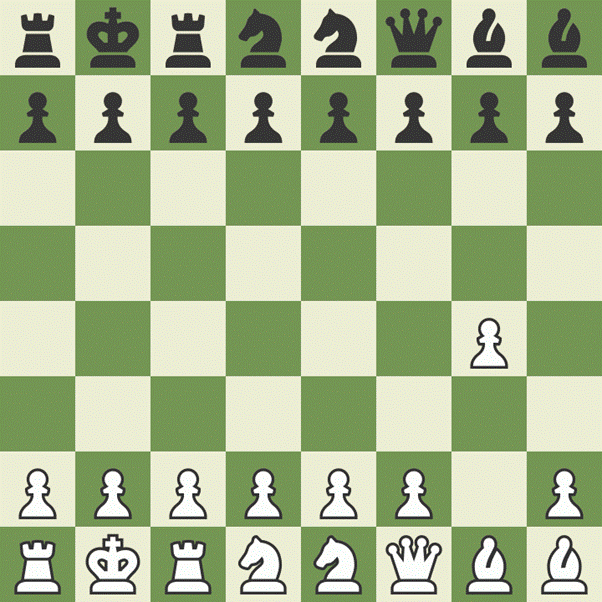
Invented by Bobby Fischer himself, Chess960, also called Fischer Random, randomizes the starting position of your back-rank pieces while keeping kings between rooks.
Why It’s Fun:
- Eliminates memorized opening theory, emphasizing calculation and creativity.
- Forces players to think independently from the first move.
- Every game is unique, making it impossible to rely on rote strategies.
Chess960 is particularly popular online. Even top streamers sometimes explore it in Blitz or Bullet games, and it’s a great way to practice improvisation without getting stuck in standard opening patterns.
2. Bughouse (Team Chess)
Bughouse is a fast-paced, two-board, four-player variant. Each team has two players; captured pieces are passed to your teammate to use on their board.
Why It’s Fun:
- Tremendously fast-paced and chaotic.
- Forces quick thinking, teamwork, and awareness of multiple boards simultaneously.
- Encourages creative use of pieces you wouldn’t normally sacrifice.
I’ve always found Bughouse hilarious. Even though it’s less about classical strategy, it teaches pattern recognition, piece coordination, and rapid tactical thinking — skills transferable to standard games.
3. King of the Hill
In King of the Hill, the objective isn’t just checkmate; you can also win by getting your king to the central four squares (e4, d4, e5, d5).
Why It’s Fun:
- Encourages aggressive king play and active central control.
- Introduces unique tactical and strategic considerations.
- Makes middlegame planning more dynamic.
This variant is often played online, and it’s a great way to experiment with aggressive openings like the Sicilian or Italian Game without the rigidity of classical objectives.
4. Three-Check Chess
Here, the goal is to check the opponent’s king three times, instead of traditional checkmate.
Why It’s Fun:
- Encourages constant tactical awareness.
- Even small attacks gain significance, creating dynamic games.
- Forces players to balance offense and defense in novel ways.
For experimental players, Three-Check Chess is ideal. You learn to spot threats everywhere while keeping your own king safe, which improves tactical vision in regular chess too.
5. Crazyhouse
Crazyhouse is like online Bughouse, but played on one board. Captured pieces can be “dropped” anywhere on the board instead of being lost.
Why It’s Fun:
- Opens up entirely new strategic possibilities.
- Makes games extremely tactical and often unpredictable.
- Enhances your creativity and ability to calculate multiple threats.
Playing Crazyhouse online is exhilarating. It pushes you to see opportunities and threats that wouldn’t exist in classical chess, which helps sharpen both pattern recognition and tactical foresight.
6. Horde and Atomic Chess
- Horde Chess: One side has a normal set of pieces; the other has a “horde” of pawns. Victory requires using strategy and coordination to overcome overwhelming numbers.
- Atomic Chess: Captures trigger explosions that remove adjacent pieces (except pawns). This drastically changes strategy and tactical thinking.
Both variants are popular on online platforms and encourage players to think outside the box, testing creative ideas and unconventional strategies.
7. Benefits of Playing Variants
Playing variants offers several advantages for improving your chess:
- Creativity: You’re forced to find novel solutions and approaches.
- Tactical Awareness: Fast-paced variants sharpen calculation and pattern recognition.
- Flexibility: Improves ability to adapt when positions are unfamiliar.
- Fun Factor: Keeps chess exciting and reduces burnout from repetitive classical games.
Even if you’re focused on classical Ruy Lopez games or the Sicilian, dipping into variants occasionally builds skills and intuition you can bring back to standard play.
8. Online Chess Communities and Variants
Online platforms like Chess.com and Lichess have made variants more accessible than ever. You can join casual games, tournaments, or challenge friends in:
- Chess960
- Bughouse
- King of the Hill
- Three-Check
- Crazyhouse
The online community has also grown around streaming, with players occasionally showing off unusual variants for fun or educational purposes. It’s fascinating to see how the game has evolved from a board in a living room to a global, interactive experience.
9. Tips for Exploring Variants
- Start Slowly: Learn rules carefully; variants often tweak victory conditions or moves.
- Experiment: Don’t worry about losing — creativity is the goal.
- Reflect: Think about what you learned and how it can help classical games.
- Mix with Classical Practice: Variants are fun and educational, but standard games still teach fundamentals.
Final Thoughts
Chess variants are a reminder that the game is infinitely flexible. From Fischer’s creative Chess960 to chaotic Bughouse, every variant offers opportunities to learn new tactics, explore positional ideas, and have fun. Even experienced players benefit — sometimes the lessons from a crazy, fast-paced game carry back into standard play, sharpening intuition, creativity, and tactical awareness.
Exploring variants is not just about novelty — it’s about growth, learning, and enjoying chess in all its forms. So whether you’re experimenting online or with friends, try a variant. You might just discover a new favorite way to play.