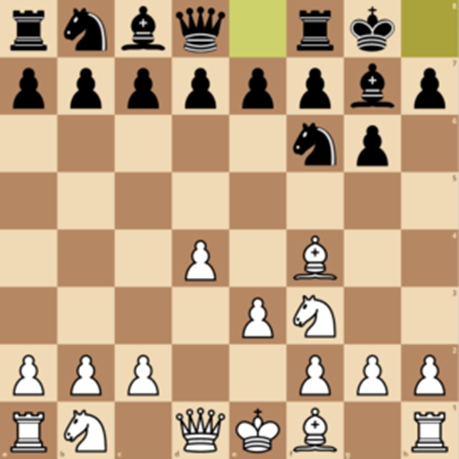
The opening is your first move into the chess battlefield. It sets the tone, shapes the middlegame, and often determines whether you’re comfortable or cramped by move ten. As someone who’s been playing since I was 10 — and nearly qualified for the UK nationals — I’ve learned that while experimentation is fun, having a few solid openings in your toolkit is invaluable.
Openings aren’t just a series of moves; they’re plans, patterns, and principles that guide your pieces into optimal positions. Once you understand the ideas behind them, you can adjust to your opponent’s responses and even experiment with creative variations.
1. Why Learn Openings?
Beginners often wonder if they need to memorize every named line. The answer is no. What matters is understanding the principles behind each opening:
- Control the center (d4, d5, e4, e5).
- Develop your pieces efficiently (knights and bishops first).
- Ensure king safety (usually through castling).
Memorization comes later. Even I, as an active and experimental player, preferred learning the ideas and then testing unusual moves — sometimes they worked spectacularly, sometimes they didn’t.
2. Popular Openings for White

Ruy Lopez (1.e4 e5 2.Nf3 Nc6 3.Bb5)
- Classic and solid, the Ruy Lopez is ideal for beginners who want structure and long-term plans.
- Focuses on controlling the center, developing pieces efficiently, and preparing for castling.
- Offers room for creativity: you can try unusual pawn pushes or piece maneuvers to throw opponents off.
I’ve always loved the Ruy Lopez because it balances safety and experimentation — Fischer famously used it to great effect in his matches.
Italian Game (1.e4 e5 2.Nf3 Nc6 3.Bc4)
- Opens lines quickly for bishops and creates early attacking chances.
- Less rigid than the Ruy Lopez, which makes it ideal for beginners who want to explore tactics.
3. Popular Openings for Black

Sicilian Defense (1.e4 c5)
- My favourite as Black. Dynamic, unbalanced, and full of tactical possibilities.
- Rewards active, experimental play. You can launch counterattacks, create pawn breaks, and force the opponent to think.
- A staple of modern play and still popular in online blitz and classical tournaments.
French Defense (1.e4 e6)
- More solid and strategic.
- Allows Black to prepare counterattacks while maintaining a strong pawn structure.
- Great for players who like slower, positional games rather than immediate tactical clashes.
4. Openings Teach Patterns
Even if you don’t memorize every variation, practicing openings helps you:
- Recognize tactical motifs like pins, forks, and discovered attacks.
- Learn typical pawn structures that influence middlegame plans.
- Understand key squares for knights, bishops, and rooks.
When I was younger, I often experimented with offbeat lines to make the games weird — sometimes I would create unexpected attacks in the Sicilian, and it often worked because my opponents weren’t prepared.
5. Online Chess and Openings
Modern online chess has made openings more accessible than ever. Platforms like Chess.com provide:
- Tutorials for beginner and advanced openings.
- Analysis tools to see where you deviated from standard theory.
- Opportunities to experiment safely in Blitz or Bullet games.
Even streamers like Hikaru Nakamura or Ludwig occasionally showcase unusual opening ideas, but their success comes from understanding the fundamentals first.
6. Tips for Beginners
- Learn a few solid openings: Start with the Ruy Lopez and Sicilian — they teach good principles.
- Focus on ideas, not memorization: Understand why each move is played.
- Experiment cautiously: Trying unorthodox moves is fun but ensure your king is safe and pieces are developed.
- Review your games: Note where your opening left you in trouble and adjust.
Final Thoughts
Chess openings are your first chance to control the game. By understanding popular lines like the Ruy Lopez, Italian Game, and Sicilian Defense, you gain both structure and flexibility. They teach you principles that carry through the middlegame and endgame while allowing room for creative experimentation — something I’ve always loved.
Even as chess has evolved online, with streaming and rapid blitz, the core opening principles remain unchanged. Learn them, practice them, and you’ll have a strong foundation to build a lifetime of chess skills.