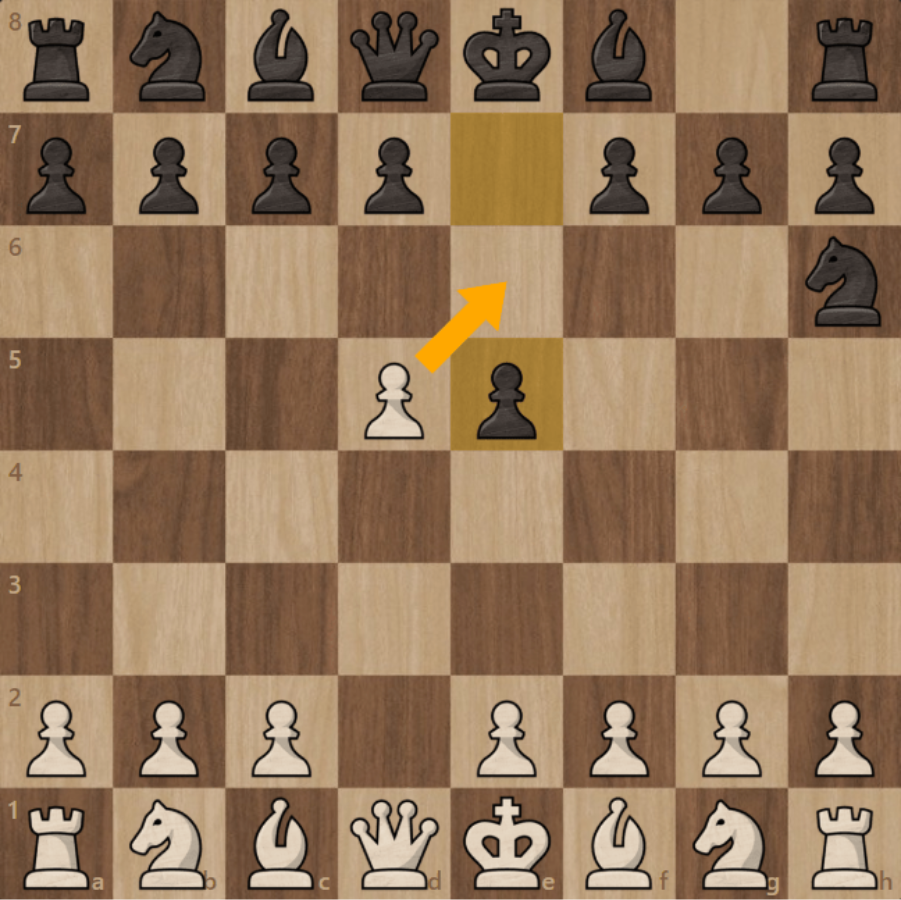

Chess is often introduced as a simple game: each piece moves in a certain way, and the goal is to checkmate the opponent’s king. However, beneath this straightforward surface lies a set of special rules that can feel almost “hidden” to beginners. These rules—en passant, castling, and pawn promotion—are essential to mastering the game and often play a decisive role in high-level play.
En Passant: The Most Mysterious Rule
En passant is arguably the most confusing rule in chess, both in its conditions and its rarity. The move applies only to pawns and only in a very specific situation.
If your opponent moves a pawn forward two squares from its starting position and lands it next to your pawn, you have the option to capture it as if it had moved only
add some human flair to each as well, make them fun and easy to read
Got it—you want these to feel like real, engaging reads, not textbook entries. I’ll keep them lively, clear, and human while still informative. Each will land roughly in that 800–1000 word range.
1. The “Hidden” Rules of Chess That Change Everything
If you’ve ever taught someone chess, you’ve probably seen this moment: they feel confident, they understand how the pieces move… and then suddenly something weird happens.
“Wait—you can do that?!”
Welcome to the so-called hidden rules of chess. They’re not actually hidden, of course, but they’re easy to miss—and they completely change how the game works once you understand them.
Let’s walk through the three big ones that trip people up (and secretly make chess much more interesting).
En Passant: The Rule That Feels Like a Glitch
En passant is the closest thing chess has to a “special move you didn’t know was unlocked.”
Here’s the situation: your opponent pushes a pawn forward two squares from its starting position, landing right next to your pawn. Normally, pawns capture diagonally one square—but in this case, you can capture that pawn as if it had only moved one square.
It looks strange the first time you see it. You move diagonally into an empty square, and their pawn disappears.
There’s a catch, though: you can only do it immediately on the next move. If you wait even one turn, the opportunity is gone forever.
Why does this rule exist? To prevent pawns from “sneaking past” each other too easily. Without en passant, pushing two squares would be a little too powerful.
At higher levels, this rule isn’t just a curiosity—it can influence entire pawn structures and strategic plans.
Castling: The King’s One Chance to Run

If chess had a “get out of danger” button, castling would be it.
It’s the only move in the game where you move two pieces at once: your king and one of your rooks. The king slides two squares toward the rook, and the rook jumps over to the other side.
There are two types:
- Kingside castling (short): quicker, safer, more common
- Queenside castling (long): riskier, often more aggressive
But castling isn’t always allowed. The rules are strict:
- You can’t have moved your king or rook before
- There must be no pieces in between
- You can’t castle out of check, through check, or into check
In other words, your king doesn’t get to teleport out of danger if it’s already under fire.
The real beauty of castling is how it blends defense and development. You tuck your king away safely and bring a rook into the game in one move. Efficient and elegant.
Pawn Promotion: The Underdog Becomes a Queen

Pawns start off as the weakest pieces on the board. They move slowly, capture awkwardly, and often get sacrificed without much thought.
But if a pawn reaches the opposite end of the board?
It transforms.
You can promote it to a queen, rook, bishop, or knight—and yes, most of the time you’ll choose a queen. Who wouldn’t?
But here’s where things get fun: sometimes, promoting to a queen is actually not the best move.
This is called underpromotion, and it’s one of those moments where chess feels almost artistic. You might choose a knight to deliver a surprise checkmate, or avoid stalemate by not choosing a queen.
These moments are rare—but unforgettable.
Why These Rules Matter More Than You Think
At first glance, these rules feel like edge cases. But they’re not.
- En passant shapes pawn play and timing
- Castling defines king safety and opening strategy
- Promotion often decides who wins the game
In fact, many games at all levels—from casual to world championship—are influenced or decided by these exact rules.
So if you’ve ever thought chess was just about “moving pieces and capturing stuff,” think again. The magic is in the details—and these “hidden” rules are where that magic really starts to show.
Leave a Reply